The "Parcel Pile-up" Crisis: Why Malaysian Hoteliers Must Rethink the Concierge Model
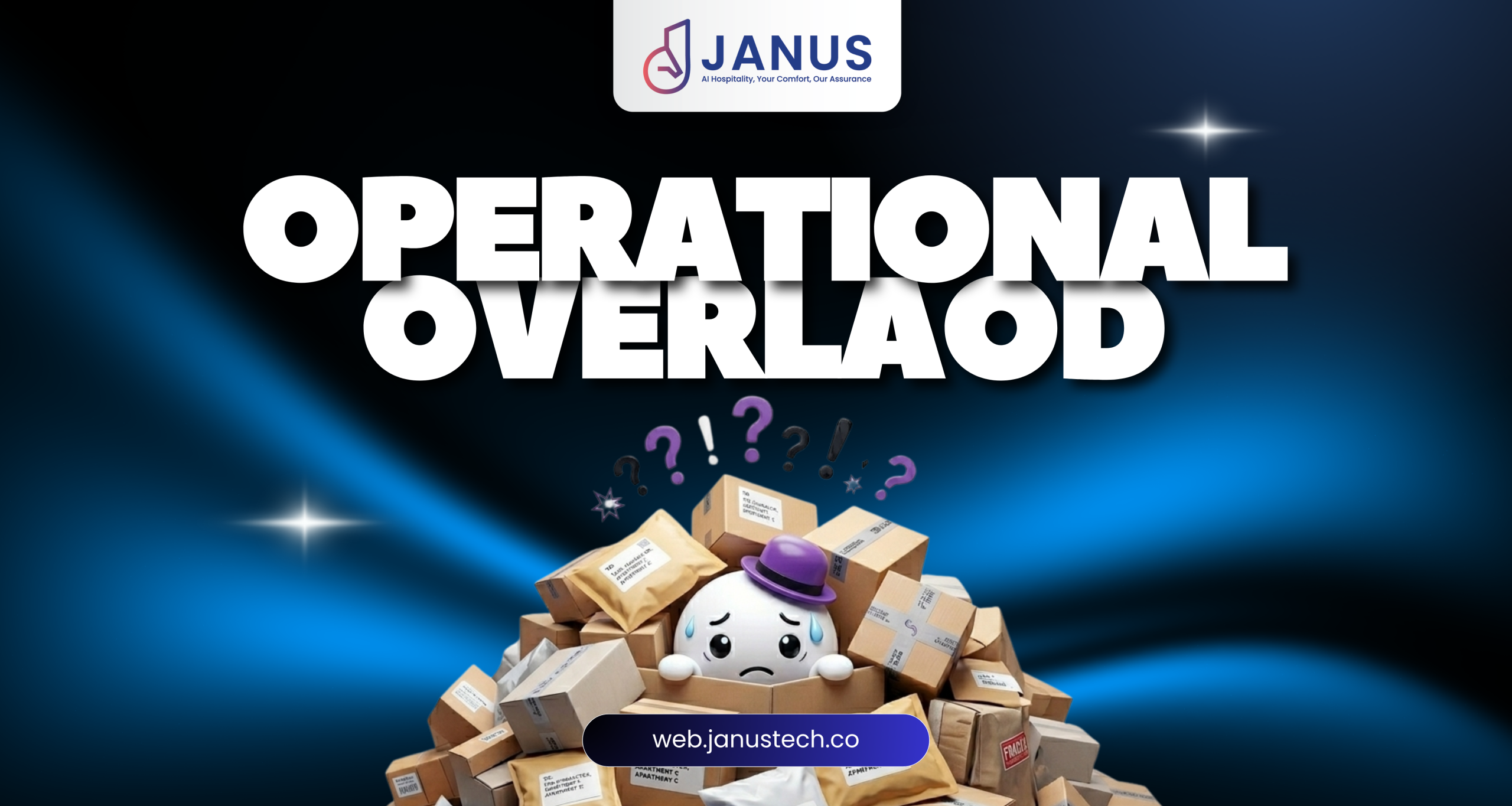
The recent viral incident of over 1,200 parcels being delivered to a single hotel in China for a tour group has sent a shiver down the spine of many Malaysian hospitality operators. While it’s easy to dismiss this as “inconsiderate tourist behavior,” for those managing properties in hotspots like Kuala Lumpur, Penang, or Malacca, this is a warning sign of a systemic breakdown.
In Malaysia, where the blend of e-commerce convenience and high-density tourism is at an all-time high, our lobbies are becoming unofficial logistics hubs. When we look at this through an operational lens, it reveals a harsh reality: the traditional, human-reliant concierge model is buckling under the pressure.
The Silent Productivity Killer: Concierge Burnout
In many Malaysian hotels and short-stay operations, the concierge and front desk teams have shifted from “experience curators” to “logistics clerks.“
When a guest sends five packages (items or food) from Lazada, Shopee, Grab, FoodPanda or TikTok to their room, your staff is the one physically sorting, tagging, and retrieving them. This manual “parcel hunt” is a massive drain on operational efficiency. Every hour your team spends playing “warehouse manager” is an hour they aren’t spending on:
- Resolving guest complaints before they escalate.
- Personalizing local recommendations.
- Ensuring the check-in process is seamless and welcoming.
When your staff is burned out from the logistics of shopping, the quality of hospitality inevitably suffers.
What Malaysian Operators Should Look for Today
To prevent a “parcel crisis” in your own lobby, you need to transition from manual, reactive processes to an Active Concierge model.
Here is what you should be evaluating in your operations right now:
- Automated Guest Notification Loops:
- Are your staff still manually emailing or calling guests to say “your package has arrived“? Look for systems that integrate your communication channels. An automated flow should trigger a WhatsApp notification the moment a delivery is logged, providing the guest with their parcel details immediately. This removes the “middle-man” and saves your staff hours of repetitive communication.
- Self-Service Retrieval Protocols:
- The goal is to keep the lobby clear. Smart operators are now looking at or implementing digital lockers in guest-accessible areas. By providing a secure, 24/7 self-service point, you eliminate the need for front-desk intervention entirely. If the guest can pick up their own item using a secure code sent via WhatsApp, your staff is free to focus on the guests standing right in front of them.
- The “Specialist Hand-off” Strategy:
- Not every guest request is equal. A routine parcel query should be handled by an AI chatbot or a self-service portal. However, if a guest is upset about a lost item or a delivery failure, the system must recognize that friction and trigger a Specialist Hand-off. This ensures your senior staff—the ones with the emotional intelligence to resolve a crisis—only step in when their expertise is truly needed.
The Bottom Line: Technology as a Buffer
The parcel crisis is not just an e-commerce problem; it’s a symptom of relying on manual processes in a digital-first world.
For Malaysian operators, the challenge is clear: if you don’t build a digital buffer between your staff and the chaos of logistics, your lobby will eventually become a warehouse, and your team will burn out in the process.
Is your operation ready for the next shopping surge? Now is the time to audit your guest lifecycle—from the moment a booking is made to the moment they check out—and ask yourself:
Are my humans doing the work of robots, or are they providing the human touch that makes a stay truly memorable?